
Are Smart Locks Safe, Benefits, Common Security Concerns, Digital Lock
Are Smart Locks Safe? Addressing Common Security Concerns

Oct
Introduction
Smart locks are transforming the way we secure our homes, adding a layer of convenience and advanced technology to traditional locking systems. However, as with any internet-connected device, smart locks come with their own set of concerns. Many people wonder: Are smart locks safe? In this article, we’ll address some of the most common security concerns surrounding smart locks and discuss why they still offer a robust level of protection for homeowners.

1. Vulnerability to Hacking
One of the biggest concerns with smart locks is the possibility of hacking. Since smart locks often rely on internet or Bluetooth connections, they could potentially be vulnerable to cyberattacks if the security protocols aren’t stringent enough. Hackers could theoretically gain access to the lock’s digital system, allowing unauthorized entry.
How to Mitigate It: To protect against hacking, it’s essential to choose smart locks that use strong encryption and multi-factor authentication. Many reputable brands incorporate advanced security protocols that minimize hacking risks, making them as secure as possible.
2. Battery Life and Power Failures
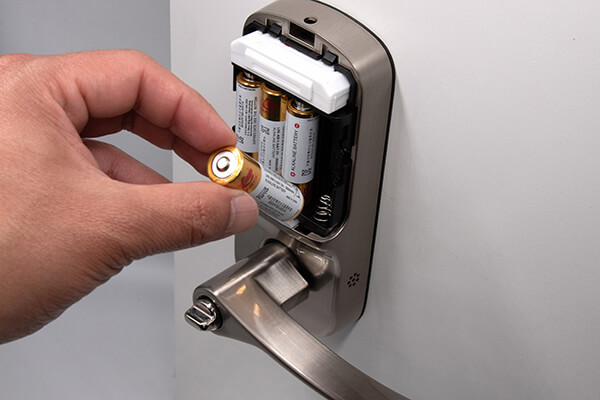
Another concern with smart locks is their reliance on battery power. A dead battery could potentially lock you out of your own home, especially if there is no manual key option. Additionally, in the event of a power failure, homeowners worry about the reliability of smart locks.
How to Mitigate It: Most smart locks come with low-battery alerts, notifying you well in advance when it’s time to change the battery. Some even have backup battery options or emergency power contacts, such as a USB connection, to provide temporary access in case of power loss.
3. Privacy Risks
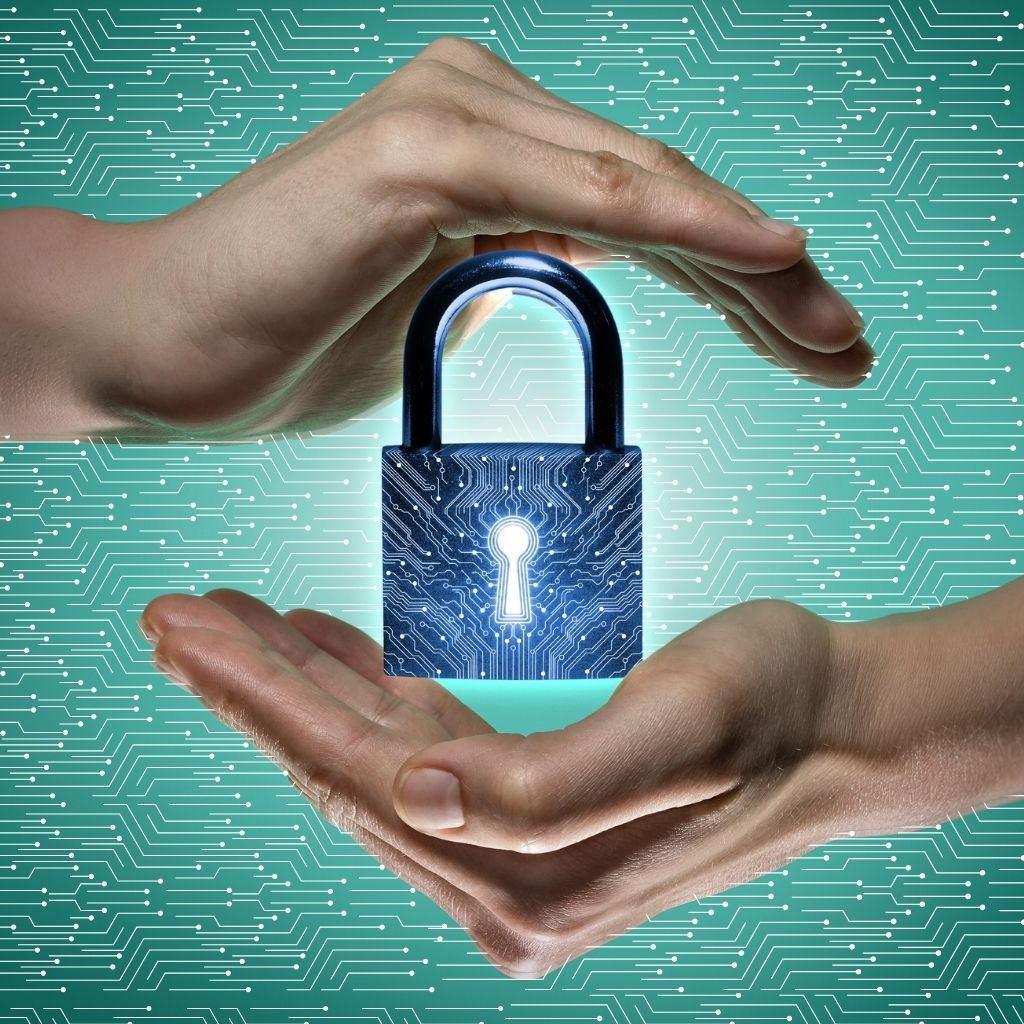
Privacy is a growing concern with smart devices, and smart locks are no exception. Many smart locks track entry and exit logs to allow users to monitor activity. However, some users worry that their data might be accessible to unauthorized parties or could be misused.
How to Mitigate It: When choosing a smart lock, ensure that the manufacturer has a strict privacy policy in place. Reputable smart lock brands prioritize user privacy and limit data collection to only what’s necessary for functionality. Additionally, many devices allow users to control or delete logs to maintain privacy.
4. Physical Tampering
While traditional locks can be picked, smart locks are also susceptible to physical tampering. Some homeowners worry that a smart lock may not be durable enough to withstand forced entry attempts, such as drilling or smashing.
How to Mitigate It: High-quality smart locks are designed with durability in mind, often made from reinforced materials. Look for smart locks that are ANSI Grade 1 certified for top-level security, and consider installing the smart lock alongside a traditional deadbolt for added physical security.
Conclusion
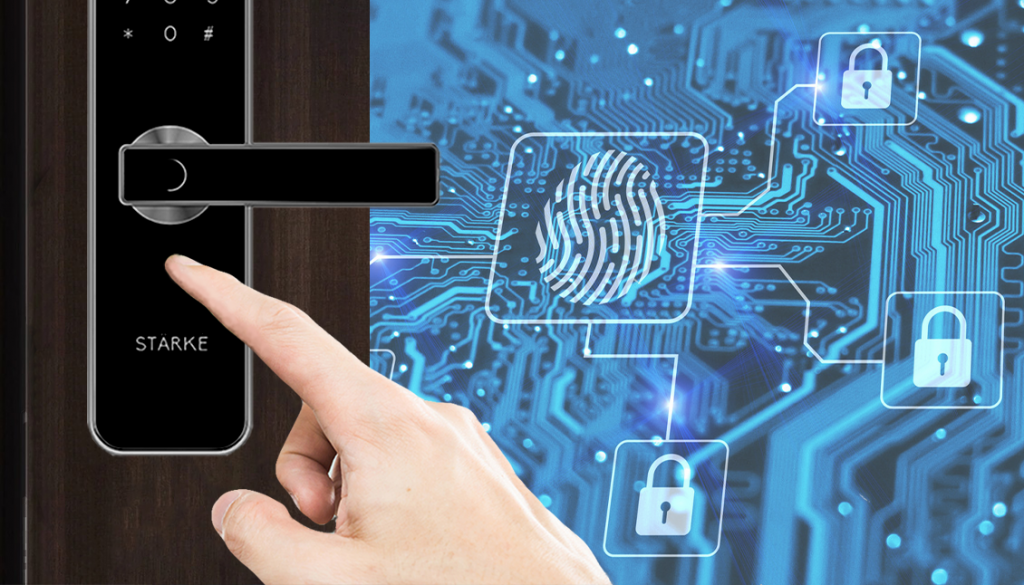
Smart locks come with certain risks, as all security systems do, but they also offer enhanced features that make them a strong contender for home protection. With proper encryption, privacy controls, and backup power options, smart locks provide homeowners with both security and convenience. By selecting a reputable brand and following best practices for smart device security, homeowners can enjoy peace of mind with their smart locks. So, are smart locks safe? Yes, when used responsibly and chosen wisely, smart locks offer a secure and practical solution for modern homes.
When considering smart locks for your home, look no further than Starke Digital Locks. Our locks combine cutting-edge technology with robust security features, ensuring that your home remains safe and secure. With options that include advanced encryption and easy-to-use interfaces, Starke Digital Locks are designed to meet the needs of modern homeowners. Discover the perfect blend of convenience and security by visiting Starke Digital Locks today.

